

A failing water pump is a ticking time bomb for your engine. However, replacing it prematurely due to a misdiagnosis is a costly mistake. Many symptoms that look like a pump failure are actually caused by a $15 thermostat or a loose belt. Before diving into the repair, check for these common warning signs:
- Coolant Puddles: You notice orange, green, or pink fluid leaking from the front-center of the engine.
- The "Sweet" Smell: A distinct, syrupy scent of coolant lingering near the engine block.
- Bearing Noise: A low-pitched grinding, growling, or whining sound that increases with engine RPM.
- Physical Instability: The water pump pulley has visible "play" or wobbles when moved by hand.
Follow this professional 6-step protocol to confirm if a new Water Pump Assembly is the unique part required for your fix.
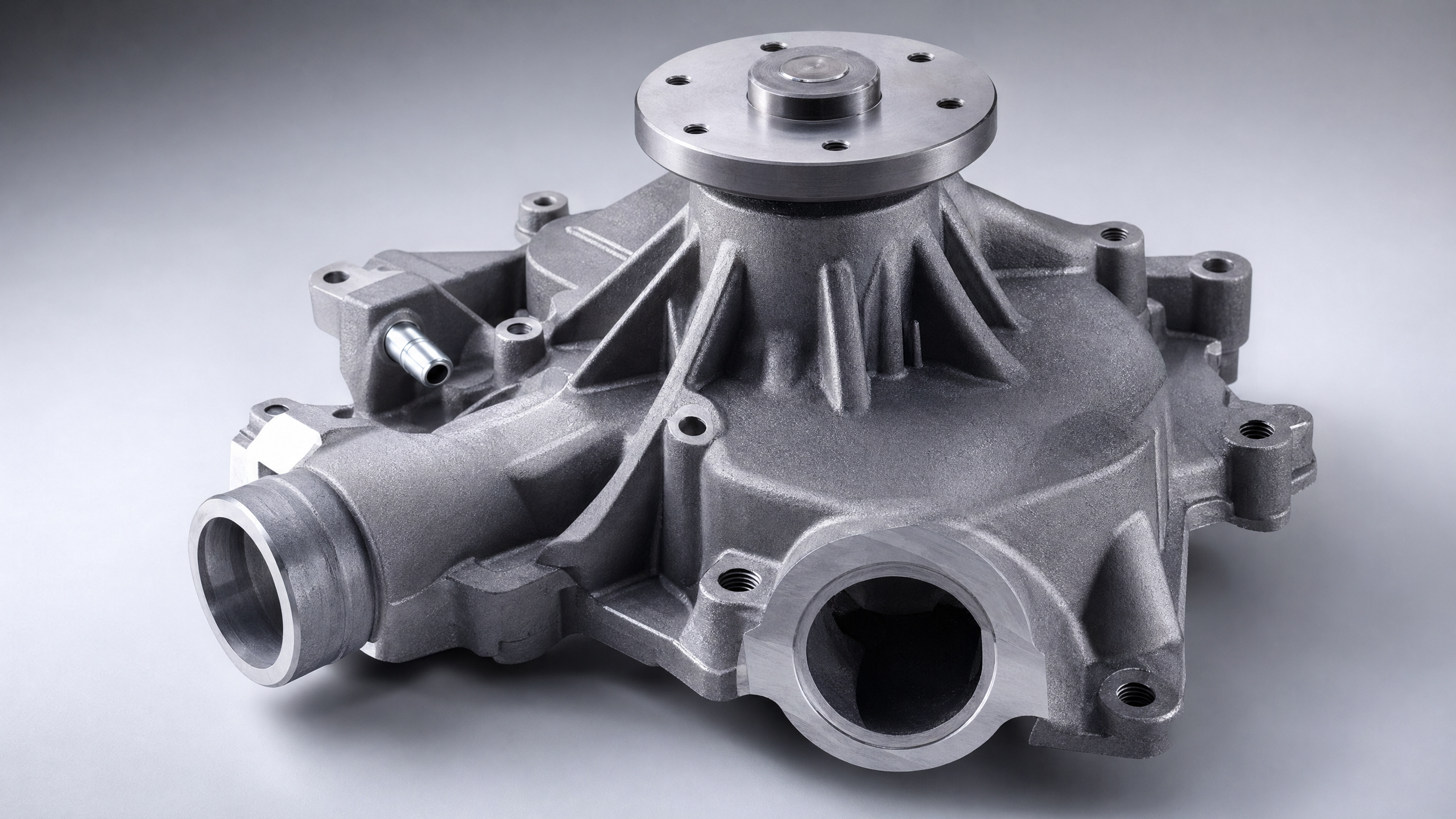
Step 0: The Quick Check (Can I Fix It?)
- DIY Friendly: The water pump is driven by the Serpentine Belt (external) and is easily accessible at the front of the engine. This is common on vehicles like the 2015 Chevrolet Silverado 1500.
- Pro Alert: The water pump is driven by the Timing Belt (internal), typical for many V6 engines like the 2012 Honda Accord. If you lack timing alignment tools, this is professional territory, as a mistake can lead to catastrophic engine failure.
Step 1: Rule Out the Environment
- The Thermostat Check: If the engine runs hot but the radiator remains cold, the thermostat may be stuck shut. A dead water pump usually shows a slow temperature climb, while a stuck thermostat causes a rapid spike.
- The Belt Tension Check: Ensure the drive belt is tight and not slipping. A squealing noise might just be a worn Belt Tensioner or a glazed belt, not the pump bearing.
Step 2: Read the Electronic Clues (DTC Analysis)
- P0128 (Coolant Temp Below Regulating Temp): Often points to a thermostat, but if combined with erratic temperature fluctuations—common on high-mileage 2014 Ford F-150s—it may indicate a failing pump impeller.
- P0217 (Engine Overtemp Condition): Confirms the cooling system has failed entirely.
Step 3: Listen and Look for the "Weep Hole" Leak
- Hear the Grind: A grinding or growling sound suggests the internal bearings are disintegrating.
- The Weep Hole Test: Use a mirror to inspect the water pump's Weep Hole. If you see fresh coolant or dried "crusty" trails, the internal seal has failed. This is a definitive sign the pump is dying.
Step 4: The Physical Proof (Pulley Wobble)
- Pulley Wobble: With the engine OFF, try to wiggle the water pump pulley. Any "play" or movement indicates a shot bearing.
- Impeller Erosion: If you remove the pump and find the metal fins (impellers) are eaten away by rust or cavitation—a common issue in older 2010 Toyota Camrys using incorrect coolant—you have found ironclad proof of zero flow.
Step 5: Matching the Right Part for Your Vehicle
| Diagnostic Finding | Recommended SKU | Essential "Add-Ons" |
|---|---|---|
| Leaking Weep Hole / Pulley Wobble | Water Pump Assembly | New Gasket, Serpentine Belt |
| Timing Belt-Driven Pump Leak | Timing Belt & Water Pump Kit | Mandatory: Tensioners & Idlers |
| Bearing Grinding Sound | Water Pump Assembly | Fresh Antifreeze (50/50 Mix) |
Summary
Precision diagnosis means checking the Weep Hole and Pulley Play before assuming a leak is just a loose hose. If your specific Year, Make, and Model (YMM) uses a water pump that is part of the Timing System, always replace the entire Timing Kit. The labor cost is the same, and it is the only way to guarantee a "First-Time Fix" for your engine.